





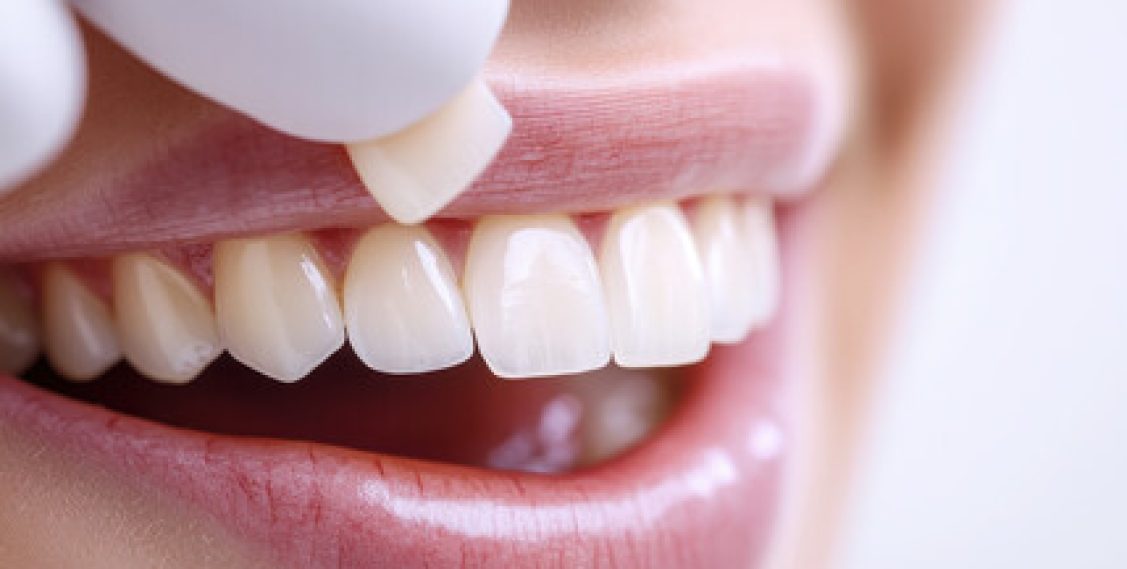
A dazzling smile makes a lasting impact and enhances confidence in professional and social settings. Cutting-edge cosmetic interventions can transform common dental issues, such as staining, tooth gaps, and misaligned teeth, restoring a captivating smile and a high return on investment.
Professional teeth whitening, dental veneers, and dental bonding are several popular strategies that can help you achieve these goals. If you’re deciding which intervention is most suitable for your long-term dental health, we’re here to help.
As a trusted provider of quality dental veneers in Annerley, QLD, and nearby areas since 1994, our expertise can help you make an informed decision. This blog explains the basic benefits of dental veneers, teeth whitening, and dental bonding, helping you improve your long-term dental health and quality of life.
Teeth Whitening: Professional vs. Home Treatments
People with severely discoloured teeth often use teeth whitening to improve dental aesthetics and restore a captivating smile. You can choose between two options:
- Professional teeth whitening treatments: Dentists apply high-concentration peroxide and use special lighting to achieve optimal results after just one treatment. They often customise treatments to minimise risks and achieve the whitest teeth possible.
- Home teeth whitening treatments: Home remedies include whitening strips or trays with lower hydrogen peroxide content. Although affordable and convenient, they usually require repeated applications over several weeks and may not resolve stubborn, deeper stains.
Teeth Whitening Advantages
The advantages of teeth whitening include:
- Enhanced confidence: Whiter teeth enhance confidence in professional and social settings.
- Younger appearance: Whiter teeth usually make people look younger and more attractive.
- Fast results: Professional teeth whitening treatments produce faster results than home treatments.
- Stain and bacteria removal: Dentists often include deep cleaning, removing plaque, stains, and tartar and boosting long-term oral health.
- Better dental hygiene: Whiter teeth often encourage people to brush, floss, and schedule regular dental checkups.
When Is Teeth Whitening Ideal for You?
Teeth whitening is often ideal for these scenarios:
- Coffee, tea, wine, or tobacco stains.
- Durable enamel without extensive dental treatment.
- Mild-to-moderate discolouration.
- Patients who prefer a fast, non-invasive treatment.
- Special occasions require a radiant appearance.
It’s important to note that teeth whitening cannot resolve intrinsic discolouration, structural tooth problems, or damaged tooth restorations. If you have any of these issues, consult a reputable dentist in your area.
Dental Veneer Advantages
Dental veneers are thin, customised porcelain or composite shells attached to the tooth’s front surface, concealing gapped, misaligned, and stained teeth. Their advantages include:
- Aesthetic transformation: Dental veneers conceal chipped, cracked, gapped, stained, and uneven teeth, transforming facial aesthetics and restoring a radiant smile.
- Natural appearance: Dentists often customise dental veneers to ensure they mesh seamlessly with a patient’s natural teeth.
- Stain resistance: Porcelain veneers withstand stains better than natural enamel, ensuring long-lasting, whiter teeth.
- Minimally invasive procedure: Dental veneers usually require some enamel removal to preserve natural teeth.
- Long-lasting results: Combined with consistent dental hygiene, porcelain veneers can last up to 20 years, delivering a high return on investment.
- Improved confidence: A captivating smile often improves confidence in various social settings.
- Low-maintenance: Dentists recommend only regular brushing and flossing to maintain dental veneers.
When Are Dental Veneers Ideal for You?
Dental veneers are usually ideal for these scenarios:
- Stubborn teeth staining resistant to teeth whitening treatments.
- Chipped, cracked, or slightly fractured teeth.
- Slightly misaligned or gapped teeth.
- Irregularly shaped teeth.
- Patients who prefer a complete smile makeover.
Dental Bonding Advantages
Dental bonding is a cosmetic intervention in which a tooth-coloured resin material (composite) is carefully applied, expertly shaped, and hardened onto a tooth. A dentist polishes the bonded area, allowing the tooth to mesh seamlessly with other natural teeth.
The advantages of dental bonding include:
- Aesthetic improvement: Dental bonding conceals chipped, cracked, stained, discoloured, and uneven teeth, drastically improving facial aesthetics and restoring a dazzling smile.
- Tooth repair: This cosmetic procedure repairs minor breaks, fills cavities, and protects exposed roots from receding gums.
- Minimally invasive: Dental bonding doesn’t require extensive enamel removal, preserving tooth structure.
- Fast and convenient: Your dentist can bond each tooth in less than an hour without anaesthesia, offering optimal convenience and comfort.
- Affordable: Dental bonding is often less expensive than dental veneers or crowns, making it a cost-effective option for restoring a captivating smile.
- Natural appearance: Dental bonding uses a composite resin that matches your natural tooth colour, allowing the treated tooth to mesh seamlessly with the others.
- Protective: This cosmetic procedure rebuilds and protects teeth, sealing cavities to maintain a healthy, radiant smile.
When Is Dental Bonding Ideal?
Dental bonding is ideal for these scenarios:
- Chipped, cracked, or slightly fractured teeth.
- Stubborn stains and discolouration.
- Small-to-moderate tooth gaps.
- Misshapen or uneven teeth.
- Exposed tooth roots.
- Limited budgets for dental procedures.
- Patients who prefer quick, minimally invasive dental interventions.
Factors to Consider When Choosing Teeth Whitening, Dental Veneers, or Dental Bonding
Choosing teeth whitening, dental veneers, or dental bonding requires careful thought and planning. These factors will enable you to make an informed decision for your long-term dental health:
- Durability: Porcelain veneers can last up to 20 years with consistent dental hygiene. On the other hand, dental bonding lasts only up to seven years, while teeth whitening requires occasional maintenance.
- Cost: Teeth whitening is the most affordable option. On the other hand, dental veneers are the most expensive option. However, your dentist can provide flexible payment options to accommodate your budget.
- Tooth preservation: Teeth whitening preserves natural enamel, while dental bonding removes a small portion of it. Conversely, dental veneers require more comprehensive reshaping.
- Versatility: As the term implies, teeth whitening addresses only tooth colour enhancement. Dental veneers and dental bonding are more versatile, addressing a wider range of dental issues.
- Maintenance: Teeth whitening usually requires touch-ups every six to 12 months, especially when consuming staining foods or drinks. Porcelain veneers can last up to 20 years with standard oral hygiene (brushing, flossing, and regular cleanings). Dental bonding can stain more easily, requiring polishing or repairs every few years.
Conclusion
Teeth whitening, dental veneers, and dental bonding are cosmetic procedures that offer patients various advantages, restoring a dazzling smile and enhancing long-term confidence in social settings.
If you’re deciding which strategy is most appropriate for your unique situation, consider their advantages and consult a reputable, highly experienced dentist who can offer valuable guidance and insights to help you make an informed decision.
Take that first step to optimal, long-term dental health. Since 1994, Annerley Dental has provided patients in the local neighbourhood with premium dental solutions. Join our clientele who have expressed 100% customer satisfaction.
Contact us to book an appointment and receive cost-effective, customised dental treatments that deliver long-term results.