





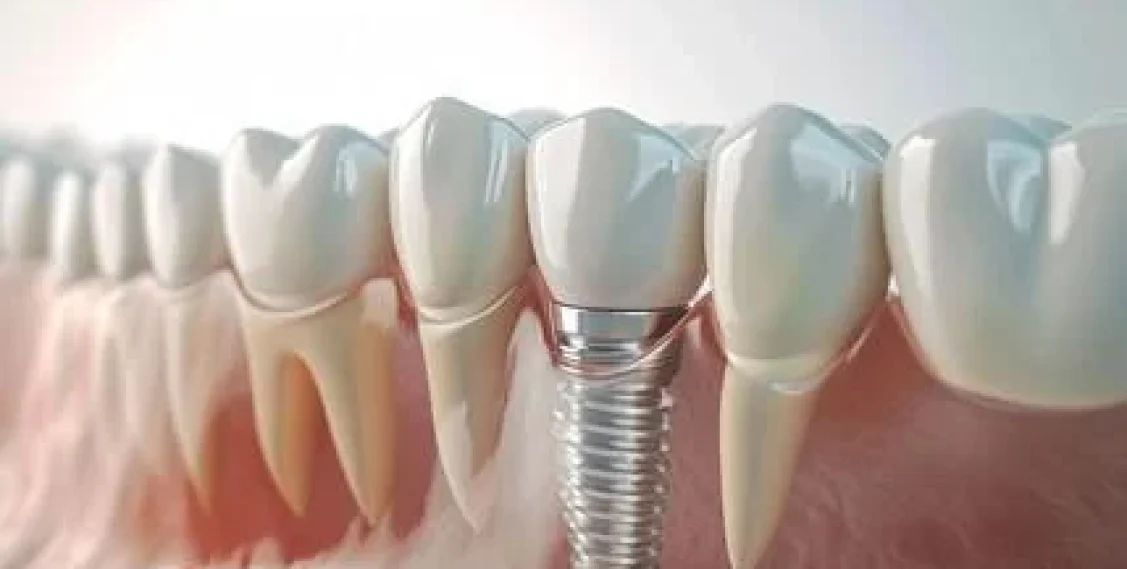
As a trusted dental clinic operating in Annerley, QLD, and surrounding areas since 1994, we have heard many testimonials from patients whose oral health and quality of life have significantly improved after undergoing a successful dental implant procedure.
Dental implants are a proven strategy for restoring missing teeth and filling tooth gaps. Instead of dentures, which can shift when speaking or eating, dental implants remain fixed, thanks to resilient titanium posts that replace natural tooth roots.
It’s important to note that the success of a dental implant hinges largely on the patient’s jawbone structure. Since a weak jawbone cannot support a dental implant, bone grafting is necessary.
If you’re exploring premium quality dental implants in Brisbane or the surrounding areas, we are here to assist you. This blog will explain the basics of bone grafting for successful dental implant outcomes, enabling you to take control of your dental health and improve your quality of life.
Bone Grafting Explained
Bone grafting is a surgical procedure we perform on our patients to strengthen their jawbones for successful dental implant placement. Whenever a dental implant candidate has insufficient jawbone length or width due to tooth loss, decay, or gum disease (gingivitis), we surgically place either natural (from human bone) or synthetic material on the affected area.
The types of bone graft material include:
- Autograft: In this scenario, we use the patient’s bone, often derived from the chin, jaw, or hip, to augment his jawbone. This type of bone grafting material has the highest success rate.
- Allograft: This human bone is obtained from a licenced donor bank.
- Xenograft: This type of bone graft material is obtained from non-human sources, particularly bovine (cow) or porcine (pig) bone.
- Alloplast: We process alloplast bone grafts made of calcium phosphate or hydroxyapatite in our laboratory.
Standard Bone Grafting Techniques
At Annerley Dental, we perform different types of bone grafting tailored to our patients’ needs. These dental restoration techniques enable you to determine which one is the most appropriate for your situation:
- Socket preservation: This technique preserves and rebuilds the bone supporting the tooth (socket). A missing tooth creates a socket gap. For this reason, our dentists fill the socket with natural or synthetic bone.
Bone cells will eventually grow and fill the socket, preventing bone loss and ensuring a successful dental implant in Annerley. Our patients usually heal within three to six months after a socket preservation procedure.
- Ridge augmentation: This technique adds depth and fullness to the alveolar bone surrounding the teeth. Unlike socket preservation, which is done immediately after a tooth extraction, our dentists perform ridge augmentation when bone loss has already begun, restoring the jaw’s shape and stabilising dental implants. Our patients usually recover within six months after a ridge augmentation procedure.
- Sinus lift: Also known as a sinus augmentation, this bone grafting technique raises the sinus floor in the upper jaw and inserts bone. Our dentists make an incision in the gum, remove a small amount of bone, fill the sinus cavity with bone graft material, and close the incision to promote bone growth. Our patients often recover within four to six months after undergoing this bone grafting procedure.
- Nerve repositioning: Dentists in Annerley, QLD, sometimes reposition the nerve in the lower jaw to ensure smooth bone grafting and dental implanting. We usually recommend nerve repositioning for patients who have lost lower teeth and jawbone material.
However, it’s important to note that this procedure may produce side effects, particularly short-term or long-term lower lip or jaw numbness. Nerve repositioning and implant placement often require six months of recovery time.
The Importance of Bone Grafting
Understanding the importance of bone grafting allows our patients to prioritise their long-term dental health. These reasons include:
- Untreated tooth gaps: Tooth loss can lead to a weaker jawbone and bone loss over time, which is why bone grafting is essential.
- Gingivitis: Gum disease can compromise jawbone integrity, causing it to weaken and shrivel over time.
- Trauma or injury: Jawbone trauma or injury can lead to bone loss, requiring bone grafting to rebuild and strengthen the jawbone.
- Growth defects: Some patients inherently develop jawbone issues as they age, prompting bone grafting and dental implants.
Our Annerley dentists evaluate a patient’s suitability for bone grafting through X-rays or CT scans. These techniques allow our dentists to analyse bone density and determine the most appropriate treatment plan.
Bone Grafting Aftercare Tips
As a trusted dental practitioner with over 30 years of professional teeth whitening, dental implant, and bone grafting experience in Annerley, QLD, we often encourage our patients to prioritise aftercare, regardless of their procedure. Knowing the proper bone grafting recovery techniques will help you prevent future issues and enjoy optimal, long-term dental health.
- Diet: Avoid eating hard, crunchy foods, such as nuts, tough meats, and chips, for two to four days after undergoing bone grafting. Prioritise soft, healthy foods, such as sweet potatoes, yoghurt, soft omelettes, tender chicken slices, tofu, smoothies, and oatmeal, to improve your recovery time.
- Swelling: Swelling up to two days after bone grafting is common. We recommend lying on two pillows at night to lessen facial swelling. Apply a cold compress for 30 minutes every waking hour during the first 48 hours after your procedure. Continue the same pattern with a warm compress after the first two days until the swelling subsides completely.
- Rinsing: Avoid harsh rinsing or spitting for three to five days after bone grafting to let the blood clot heal properly. Brush the surrounding areas gently without affecting the graft site. Do not place your tongue or fingers on the site, as the material may shift within the first few days.
- Bleeding: To stop heavy bleeding, reposition the pads so they apply pressure directly on the grafted area. If bleeding persists, see your dentist in Annerley, QLD, immediately.
- Pain: It’s important to note that most bone grafting patients experience discomfort. Depending on your situation, we may prescribe a painkiller, such as paracetamol or ibuprofen. We may also prescribe antibiotics to prevent infections. If you experience any side effects (itching, nausea, or rash), discontinue immediately. Always take your medications as prescribed to achieve the best results.
- Smoking and alcohol: Avoid consuming alcohol and tobacco products for two weeks after bone grafting, as they may significantly affect healing.
Frequently Asked Questions (FAQs)
Is bone grafting a surgical procedure?
Bone grafting is a surgical procedure where a bone or bone-like substance is added to the jaw to strengthen areas without enough bone support in preparation for dental implants.
When is bone grafting not required?
As experienced dentists in Annerley, we don’t recommend bone grafting when the jawbone has enough healthy bone to support dental implants.
How much does bone grafting cost?
In Australia, bone grafting costs vary depending on the type and complexity of the procedure. However, the usual price range is $500 to $3,000.
Private health insurance may help cover the cost, but coverage depends on an individual basis. For this reason, we recommend checking with your insurer before undergoing bone grafting.
How long does bone grafting recovery usually take?
Depending on your prescribed bone grafting technique, recovery often takes between three and six months.
Conclusion
Bone grafting is an invasive procedure that strengthens the jawbone prior to a dental implant. This procedure helps prevent bone loss over time and ensures optimal dental health and an improved quality of life.
Do you want a strong foundation for your dental implants? Book an appointment with Annerley Dental today to explore bone grafting and discuss your treatment options.