





Missing teeth and prominent tooth taps can be embarrassing for many dental patients. These issues can also affect your self-esteem when socialising with your friends and family members.
There’s no need to worry because dentures or implants can fill these gaps and improve your day-to-day functions, such as speaking and chewing. The bigger question remains: which option is right for you?
As a trusted provider of durable dental veneers in Annerley, QLD, our proven track record can help you make an informed decision. This blog will delve deeper into the basics, pros, and cons of dentures and dental implants, enabling you to improve your long-term dental health and quality of life.
Dentures Explained
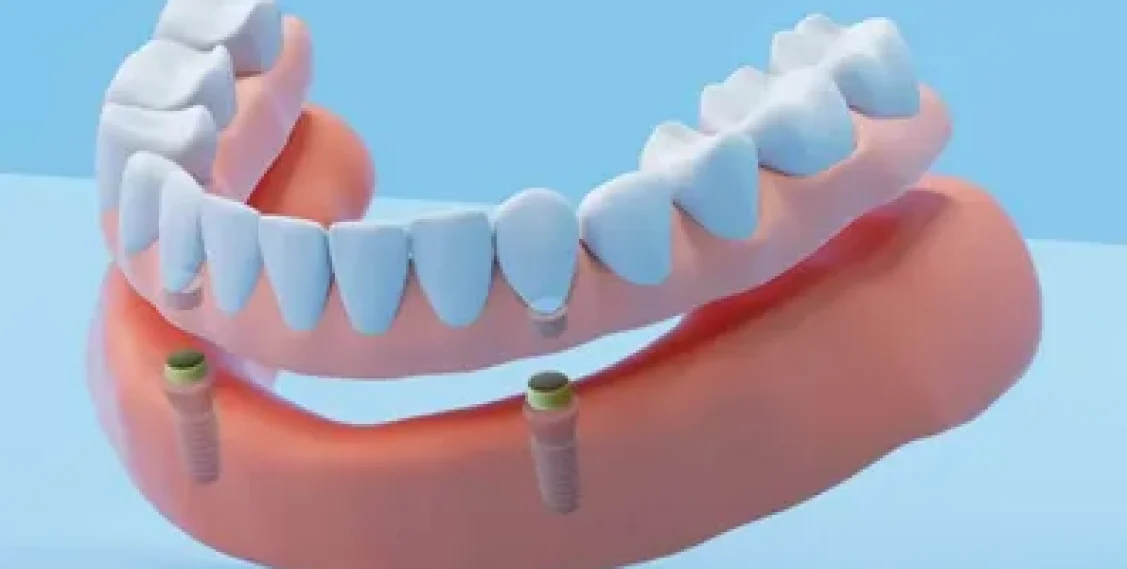
Dentures are removable oral instruments that replace missing teeth. These removable prosthetic teeth have two main types:
- Full dentures: These prosthetic devices, made from acrylic resin, replace all teeth in the upper jaw, lower jaw, or both. Patients wear conventional full dentures in Annerley after their gums have healed fully following tooth extraction. On the other hand, Brisbane Southside patients wear immediate full dentures right away following tooth removal.
- Partial dentures: As the term suggests, partial dentures replace only one or more missing teeth, filling tooth gaps and preventing existing teeth from shifting.
Acrylic partial dentures serve as a temporary solution for missing teeth. Metal partial dentures are more durable and longer-lasting than flexible partial dentures, which are cosier and less noticeable.
Although dentures aren’t anchored to the gums and require more upkeep, they’re usually more affordable upfront than dental implants. Your dentist in Annerley may adjust or replace your dentures to accommodate changes in your jawbone shape over time.
Dental Implants Explained
Dental implants act as new prosthetic roots that secure prosthetic teeth, such as crowns, bridges, or dentures, to the jawbone. Manufacturers create dental implants from titanium, creating a durable alternative that fuses the bone to the implant (osseointegration).
The key components of a dental implant include:
- Implant post: The titanium screw is inserted into the jawbone.
- Abutment: This component attaches the implant post to the prosthetic tooth.
- Crown/replacement tooth: This is the custom-made, visible tooth that complements existing natural teeth.
Dental implants in Annerley are a popular option because they can mimic the appearance and function of natural teeth, allowing users to eat, talk, and preserve their jawbone.
Advantages of Dentures
The advantages of dentures include:
- Enhanced visual appeal and confidence: Dentures eliminate missing tooth gaps, prevent facial sagging, and boost long-term confidence.
- Improved chewing and speech: Dentures allow users to chew, eat, and talk better, improving their quality of life.
- Budget-friendly; Dentures are usually more affordable than dental implants or bridges.
- Non-invasive: Dentures don’t require surgical intervention, making them suitable for many Brisbane Southside patients.
- Removable: You can easily detach your dentures for cleaning and before sleeping at night, allowing your gums to rest.
Drawbacks of Dentures
The drawbacks of dentures include:
- Fit and comfort: Conventional dentures can feel uncomfortable and awkward. They can also cause sores or shift while eating or talking.
- Maintenance: Dentures require daily cleaning and soaking. Dental professionals must also reline them every one to two years.
- Bone loss: Unfortunately, dentures cannot prevent bone loss. They may even exacerbate the situation, leading to a gaunt facial appearance over time.
- Food restrictions: Denture users are encouraged to avoid hard, crunchy, sticky, or chewy foods, including nuts, hard candies, raw carrots, apples, caramel, toffee, and tough meats.
- Adaptation: It usually takes Brisbane Southside patients months or years to adapt to dentures, possibly affecting day-to-day living.
Advantages of Dental Implants
The advantages of dental implants include:
- Natural appearance: Dental implants can mimic and function like natural teeth. Whether chewing, flossing, or talking, you can perform these tasks as if you never had missing teeth.
- Long-term solution: Unlike conventional dentures, crowns, or dental bridges, dental implants are a permanent solution that can last more than 20 years.
- Bone loss prevention: Dental implants stimulate the jawbone, preventing facial sagging and bone deterioration.
- Adjacent tooth integrity: Unlike dental bridges, which require the grinding down of surrounding teeth, dental implants can protect them.
Drawbacks of Dental Implants
The drawbacks of dental implants include:
- Invasive: Dental implants involve surgically inserting a titanium post into the jawbone. Your dentist in Annerley will cut the gum tissue and drill into the jawbone to secure the titanium post.
- Multiple visits: Dental implants require multiple visits, including the titanium post insertion and crown placement.
- Costly: Dental implants are often costlier than dentures due to the required expertise and materials (titanium post, crown, etc.) involved. Although dental insurance may cover the cost, some procedures, such as bone grafting, may drive expenses higher.
Dentures vs. Dental Implants: A Comparison
Property | Dentures | Dental Implants |
Durability | Mandatory replacement every 5 to 10 years. | Dental implants are considered a permanent solution often lasting at least 20 years. |
Appearance | More synthetic-looking than dental implants. | Can mimic and function like natural teeth. |
Comfort | Can shift while talking or chewing. Dentures can also cause gum irritation. | Since dental implants are firmly secure, they don’t shift and cause discomfort over time. |
Maintenance | Dentures require regular cleaning and soaking. Users must also remove them before sleeping at night to reduce the risk of infection and maintain bone and gum health. | Dental implants users are encouraged to practise consistent oral hygiene, including daily flossing and brushing and scheduling regular check-ups. |
Cost | Dentures often have a more affordable upfront cost than dental implants. | Dental implants have a higher upfront cost than dentures. |
Procedure | Non-invasive; suitable for most patients. | Invasive; may not be suitable for patients with many sensitivities. |
Bone health | Cannot prevent bone loss leading to a sunken facial appearance. | Dental implants slowly integrate into the jawbone, preventing long-term bone loss. |
Frequently Asked Questions
Are dental implants better than dentures?
Dental implants are generally considered better than dentures because they are permanent, prevent jawbone loss, and offer better functional support. For instance, dentures sometimes shift when talking or chewing, making them inconvenient.
Unlike dentures which require frequent adjustments, removal and cleaning, dental implants in Annerley function like natural teeth. Although implants are invasive, they are a longer-lasting, more durable solution than dentures.
What is the cost difference between dentures and implants?
Depending on the number of missing teeth, dentures in Annerley may cost between $1,000 and $4,000. On the other hand, the price of dental implants also depends on the number of teeth affected, with a single-tooth implant costing between $3,000 to $7,500 per tooth and full-arch implant solutions costing at least $18,000.
Your dentist in Annerley can provide you with a personalised treatment plan that fits your long-term budget.
Which option lasts longer?
Dental implants last longer than dentures. The former treatment option can often last more than 20 years while the latter can last up to only an avearge of five to eight years.
Conclusion
Choosing between dentures and dental implants depends on several critical factors, including durability, appearance, comfort, maintenance, cost, invasiveness of the procedure, and bone health implications. Weighing these features carefully allows you to make an informed decision and improve your long-term dental health.
Dentures are budget-friendly, non-invasive dental appliances that eliminate missing tooth gaps and improve day-to-day functionality. However, dentures may shift inside the oral cavity, causing daily discomfort and inconvenience. They also require daily maintenance and removal, restrict certain foods, and don’t prevent bone loss.
On the other hand, high quality dental implants are an invasive, long-lasting, durable solution that mimics and functions like natural teeth. They seamlessly integrate into the jawbone over time, preventing bone loss and preserving facial aesthetics.