





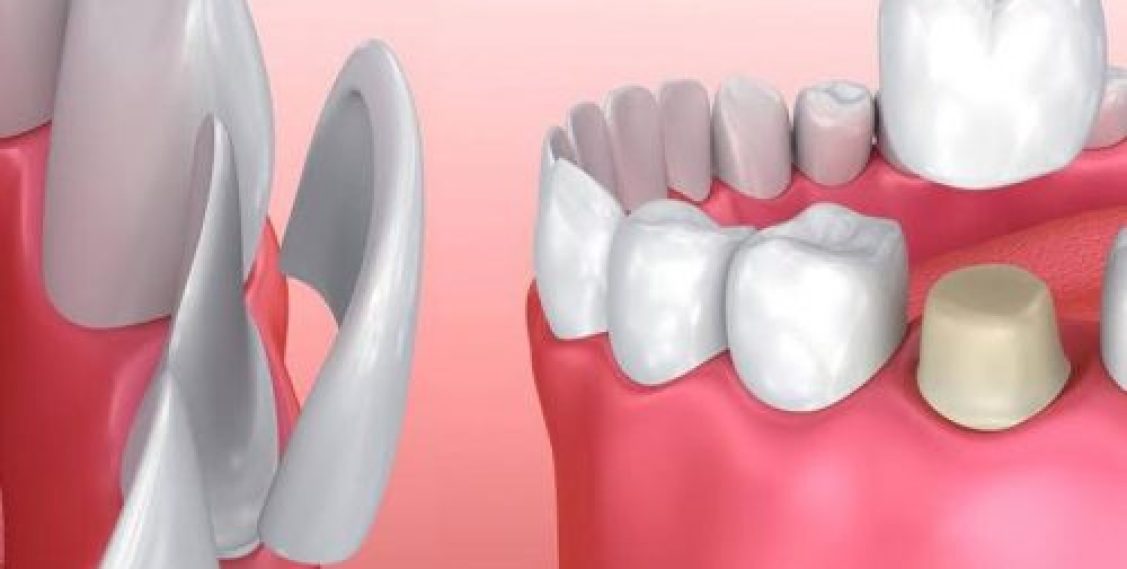
As a trusted, highly experienced dental practitioner in Annerley, QLD, with over 30 years of experience, we often receive enquiries about the difference between dental veneers and dental crowns. Although the two dental processes share similar design processes and appearances, they differ in various ways, including their purpose and tooth coverage.
Understanding their unique qualities and differences between dental veneers and dental crowns enables you to determine which procedure best aligns with your long-term needs. Our proven track record as dentists in the Brisbane area provides you with timely insights to make an informed decision.
This blog outlines the differences between dental veneers and crowns, allowing you to take charge of your long-term dental health and improve your quality of life.
Dental Veneers Explained
Veneers are a cosmetic dental procedure where a practitioner places a covering the front surface of a tooth. Dentists use only premium materials, such as tooth-coloured composite or porcelain, to create them. Dental veneers can conceal several imperfections, including cracks, chips, gaps, and discolouration.
As reputable dentists in Annerley, we often place veneers on patients with any of these imperfections. We also perform this procedure on our patients with stubborn tooth stains , undersized teeth, or misshapen teeth.
Our dentists can only place dental veneers on patients without cavities or gum disease (gingivitis) to ensure that the veneers bond securely to the tooth. Veneers also require a stable gum line. Otherwise, inflamed gums can lead to gaps, irritation, or an awkward appearance.
The different types of dental veneers include:
- Composite veneers: These veneers’ tooth-coloured composite resin can hide mild cosmetic issues.
- Porcelain veneers: We remove enamel from natural teeth before attaching porcelain veneers to our patients’ teeth, roughening the tooth surfaces and securing the veneers firmly in place.
- No-prep veneers: Unlike porcelain veneers, the no-prep version requires less enamel removal, making it a less invasive alternative.
- Removable veneers: Also known as span-on veneers, removable veneers conceal imperfections. Similar to retainers, users can easily remove these dental cosmetic devices. It’s important to note that removable veneers can affect how you eat and talk. For this reason, we encourage you to discuss your preferences with any of our dentists in Annerley.
The Dental Veneer Procedure: Step-By-Step
Regardless of your preferred dental veneer, placing them onto your teeth follows a straightforward process, including:
- Initial consultation: In this stage, we examine your teeth, evaluate your oral health, and explain how we will treat the affected teeth.
- Tooth preparation: We remove a small amount of enamel from the tooth’s surface and make a model of your tooth for further analysis. Our laboratory will create customised veneers, which usually takes two to four weeks for the porcelain version.
- Bonding: Your dentist in Annerley will compare the veneer’s tooth colour to the other teeth before attaching it. He may either trim the veneer so it attaches securely or adjust the colour with cement.
Your dentist will clean, etch, and polish your tooth to ensure a durable bond. He will place cement and shine a bond-activating light on it. The light hardens or cures dental cement quickly.
Finally, your practitioner will check your tooth and make the necessary adjustments. He may recommend a follow-up appointment to check your veneer, tooth, and gums.
Dental Crowns Explained
A dental crown is a tooth-shaped cap made of resin, metal, or porcelain that strengthens and corrects weak, broken, or decayed teeth. Unlike a dental veneer, which is attached to a tooth’s front surface, a dental crown fits snugly over an entire tooth. Both procedures require some enamel removal to ensure a secure, long-lasting bond.
In our 30+ years of experience as a dentist in Annerley, QLD, we often recommend dental crowns for weak, cracked, broken, severely strained or discoloured, or a root canal- or dental implant-treated tooth.
We attach various dental crowns, including:
- Metal crowns: We manufacture these crowns from gold, palladium, nickel, and chromium. Although durable, these crowns’ metallic colours can be a drawback. For this reason, they’re ideal for out-of-sight molars.
- Porcelain-fused-to-metal (PPM) crowns: These crowns combine the resilience of metal and porcelain. They often last as long as metal crowns and match the colour of your teeth.
- Pressed ceramic crowns: This crown’s ceramic inner core contributes to its durability and strong bonding capacity.
- All-ceramic or porcelain crowns: These dental crowns best resemble tooth enamel. We often recommend these crowns to patients with metal allergies.
- Same-day dental crowns: Our dental technicians use CAD/CAM technology to create ceramic dental crowns and attach them in just a one-day visit.
- All-resin crowns: Although more affordable than other dental crowns, all-resin crowns are the least durable versions, often lasting just three to five years. For this reason, we recommend them for temporary crowns.
The Dental Crown Procedure: Step-By-Step
Understanding the dental crown process allows you to make an informed decision for your long-term dental health. The steps include:
- Tooth preparation: Your dentist will remove some enamel from your tooth to ensure a durable, enduring fit.
- Dental impression: Next, your practitioner will make a physical or digital impression of your tooth, which he will send to a technician for further processing.
- Temporary crown placement: Your dentist will place a temporary resin or acrylic crown while waiting for your permanent dental crown. Our patients often receive their final dental crowns in two to three weeks.
- Final crown placement: Once your final crown is ready for placement, your dentist will remove the temporary crown and evaluate the fit of the new one. Next, he will bond the new crown onto your tooth with dental cement.
How Dental Veneers and Dental Crowns Differ
Understanding the differences between dental veneers and dental crowns allows you to make an informed decision for your long-term oral health.
- Dental veneers: Dental veneers require only minimal enamel extraction and are highly resistant to staining. Their natural appearance also appeals to many users.’
As trusted dentists in Annerley, we encourage you to weigh your options carefully. Dental veneers are irreversible and cannot fix serious tooth damage. We recommend them for discolouration, small chips, or minor tooth gaps.
- Dental crowns: Dental crowns are a durable option that significantly strengthens tooth structure and protects weak, vulnerable teeth. It’s important to note that they’re more invasive than dental veneers since they require more tooth enamel removal.
We recommend dental crowns for large tooth fillings, cracks, decayed teeth, or post-root canal treatment.
Feature | Dental Veneers | Dental Crowns |
Coverage | Front surface only | Entire tooth |
Main Purpose | Cosmetic | Restorative |
Thickness | 0.5 mm – 1 mm | At least 2 mm |
Tooth Preparation | Minimal enamel extraction only. | Extensive tooth enamel extraction required; more invasive procedure. |
Lifespan | 10-15 years | 10-30 years |
Ideal for | Front teeth | Back or broken teeth |
Frequently Asked Questions (FAQs)
Are dental veneers or crowns more expensive?
Dental crowns’ broader coverage and restorative function make them more expensive than dental veneers. However, costs vary depending on the material and complexity of the procedure.
Are dental veneers and dental crowns painful?
We administer anaesthesia to make our patients comfortable before each treatment. Although they may feel some mild sensitivity, it often subsides quickly afterwards.
How do I know which option is right for me?
When choosing between a dental veneer or a dental crown, your decision depends on your oral health and long-term goals. We recommend dental veneers for cosmetic improvements. On the other hand, dental crowns are ideal for restoring damaged or weak teeth. We encourage you to consult a reputable dentist in Annerley who can help you make an informed decision.
Conclusion
Although dental veneers and dental crowns can improve your long-term oral health, they serve different purposes. The former is ideal for cosmetic enhancements, while the latter protects and strengthens weak, damaged teeth.
If you’re unsure about your options, consulting a trusted dentist in Annerley can help you determine the best alternative. Book an appointment today to speak with one of our dental practitioners.