





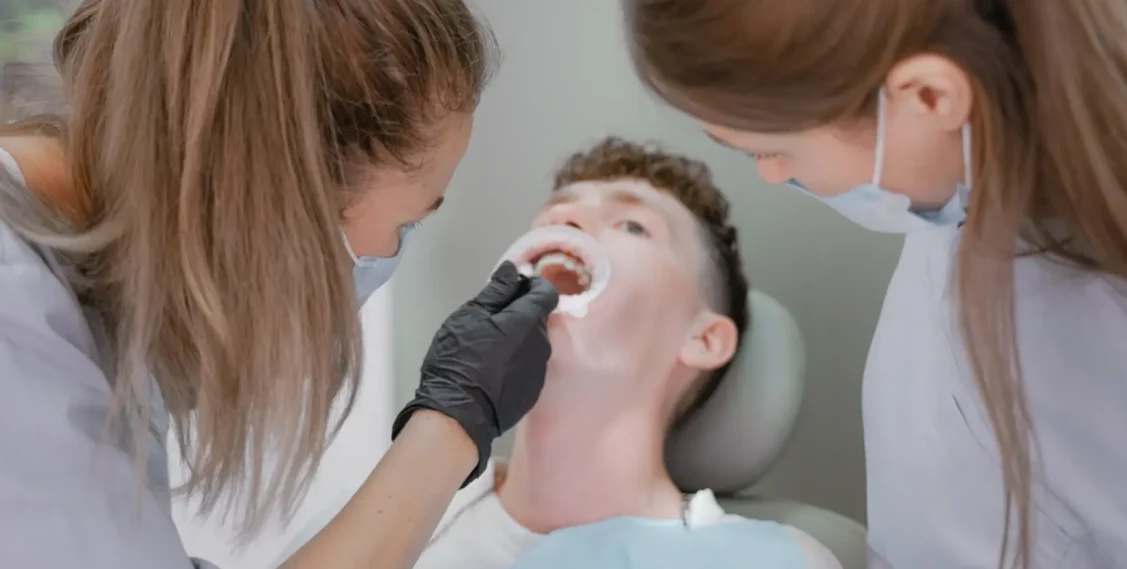
Dental veneers are a cosmetic procedure that conceals discoloured, slightly crooked, chipped, cracked, and gapped teeth. They cover the tooth’s front surface primarily for aesthetic reasons.
Many Australians have reaped the benefits of dental veneers, enjoying radiant smiles that enhance their confidence and overall appearance. Dentists in Annerley customise veneers to complement their patients’ facial features, resulting in natural-looking teeth that mesh seamlessly with the others.
However, people with persistent bite problems, cavities, or other dental issues may not be suitable candidates for dental veneers. If you’re one of those individuals, there’s no need to worry. Your dentist can suggest alternatives to dental veneers that better align with your situation. As a trusted dental practitioner in Annerley for over 30 years, we provide customised treatments to help patients improve their confidence and long-term dental health.
This blog explores situations and alternatives for dental veneers that aren’t the right choice for your situation, enabling you to make informed decisions and take charge of your dental well-being.
Dental Veneers Explained
Dental veneers are customised shells and a cosmetic dental treatment that covers the front portion of the teeth. Dentists bond them permanently to conceal stained, cracked, chipped, and gapped teeth.
The three types of dental veneers include:
- Porcelain: The durability, stain resistance, and light-reflecting properties of porcelain dental veneers make them a popular dental cosmetic intervention.
- Composite resin: Tooth-coloured composite resin veneers are more affordable and less invasive than their porcelain counterparts. Dentists can usually apply the former in a single visit because they can sculpt it directly onto the teeth.
- No-prep veneers: These are ultra-thin porcelain or composite shells bonded to the front portion of the teeth that require little to no removal of natural tooth enamel.
The difference between dental veneers and dental crowns is worth noting. While the former covers only the front portion of the tooth, the latter covers the entire tooth structure to strengthen and stabilise it.
Good candidates for dental veneers have healthy gums, robust tooth enamel, and a stable bite. They must also practise consistent oral hygiene (brushing, flossing, and scheduling professional dental cleaning).
If you’re a candidate for dental veneers, your dentist in Annerley can provide you with the best customised solution, enabling you to significantly improve your dental and facial features.
Conditions That May Prevent Dental Veneer Treatment
Your dentist will determine if you are a suitable candidate for dental veneers during your initial consultation. He may propose other treatments if you have any of the following conditions:
- Gum disease (gingivitis): Gum disease can hinder dental veneer bonding and create gaps through which bacteria can enter. Sore, tender gums bleed and recede, weakening the bond between the veneer and the tooth.
- Tooth decay: This disorder can trap cavities under veneers and lead to long-term natural tooth damage. We strongly recommend dental fillings, professional dental cleaning, fluoride application, or root canal treatment to treat existing tooth decay and make the patient suitable for dental veneers.
- Teeth grinding or clenching: Also known as bruxism, this condition is the involuntary grinding, gnashing, or clenching of teeth while one is awake or asleep. Untreated bruxism can damage dental veneers, place excess pressure on the tooth structure ,lead to long-term dental veneer failure, or create bite instability issues.
A deep overbite can lead to an edge-to-edge bite that generates shear forces that can cause porcelain fracture. Prominent wear patterns caused by tooth erosion can indicate a collapsing bite that can damage the dental veneers. Symptoms of temporomandibular disorder (TMD), such as jaw pain and clicking, often indicate underlying bite problems that can be aggravated by untimely dental veneer procedures.
Your dentist in Annerley may recommend wearing a custom night guard to prevent these issues and ensure optimal long-term outcomes.
When Orthodontics and Gum Health Come First Before Dental Veneers
Certain underlying orthodontic and periodontal issues must be addressed before proceeding with dental veneers to ensure optimal, long-term outcomes. Proper alignment and healthy gum tissues are critical to the success of this cosmetic dental procedure.
Severe or moderate crowding, rotated teeth, or significant spacing issues usually require orthodontic interventions, such as braces or clear aligners. Misaligned teeth sometimes lead to necessary tooth reduction for a consistent, uniform appearance. Unfortunately, this strategy can remove healthy enamel. Timely orthodontic techniques place the teeth into strategic positions and preserve their structural integrity.
Good gum health is also necessary for a successful dental veneer procedure. Inflamed, bleeding, and swollen gums must be treated before undergoing any dental cosmetic work. Even mild gum inflammation can interfere with accurate impressions and correct veneer placement. In our experience as dentists in Annerley, we sometimes perform gum grafting to create a healthy gum line.
Healthy gums provide valuable support and framing for dental veneers, ensuring a natural appearance and the best outcomes.
Alternative Treatments to Dental Veneers
If your dental practitioner informs you that you’re unsuitable for conventional dental veneers, there’s no need to worry. He can recommend other alternative treatments that can improve your dental health and facial appearance, including:
- Dental bonding: In this scenario, a dentist in Annerley applies a tooth-coloured composite resin material to a tooth, improving its aesthetics and repairing minor damage. The practitioner uses a special curing light to shape, harden, and polish the resin, allowing it to blend with the affected natural teeth.
- No-prep veneers: Dentists bond these composite or porcelain veneers to the front portion of the natural teeth without significantly filing down or reshaping them.
- Dental crowns: Your dentist may recommend a dental crown for a tooth that has a prominent existing filling, significant structural damage, or inadequate enamel to bond a dental veneer.
- Teeth whitening: Professional teeth whitening can brighten stained or discoloured teeth and fix biting problems. This strategy works best for individuals who are more concerned about tooth colour than its shape or alignment.
- Orthodontic treatment: Braces or clear aligners can straighten crooked or crowded teeth and correct bite issues. We often recommend these orthodontic treatments for patients with significant alignment issues.
- Gum contouring: This strategy can significantly improve smile symmetry and appearance for individuals with uneven gum lines or a prominent gum display.
- Dental implants: Patients with severely damaged or missing teeth may require dental implants rather than dental veneers to experience long-term relief and enhance their dental aesthetics.
Frequently Asked Questions (FAQs)
Are dental veneers permanent?
Conventional dental veneers are considered a long-term cosmetic dental intervention. Dentists remove a small amount of enamel to ensure a long-lasting, secure bond. With proper care and maintenance, premium dental veneers can last up to 15 years.
What is the best alternative to dental veneers?
There’s no one-size-fits-all approach to this question. Each patient requires a customised solution depending on their current dental health and long-term goals. Dental bonding, dental implants, teeth whitening, dental crowns, gum contouring, and orthodontic treatments can provide long-lasting results depending on your needs.
Conclusion
Dental veneers can significantly improve the appearance of stained, gapped, cracked, or uneven teeth. However, they are not always the ideal solution for patients with bite instability, gingivitis, tooth decay, or orthodontic issues. Addressing these concerns first helps create a healthier foundation for long-lasting, best outcomes.
Depending on your unique situation, your dentist can recommend dental bonding, no-prep veneers, teeth whitening, dental implants, or gum contouring as part of a personalised treatment plan that aligns with your current and long-term goals.
If you’re considering dental veneers or any of their alternative treatments, our dedicated team at Annerley Dental can help you determine the best strategy that allows you to achieve optimal, long-term dental health. Book an appointment today to take that all-important first step to healthier teeth.