





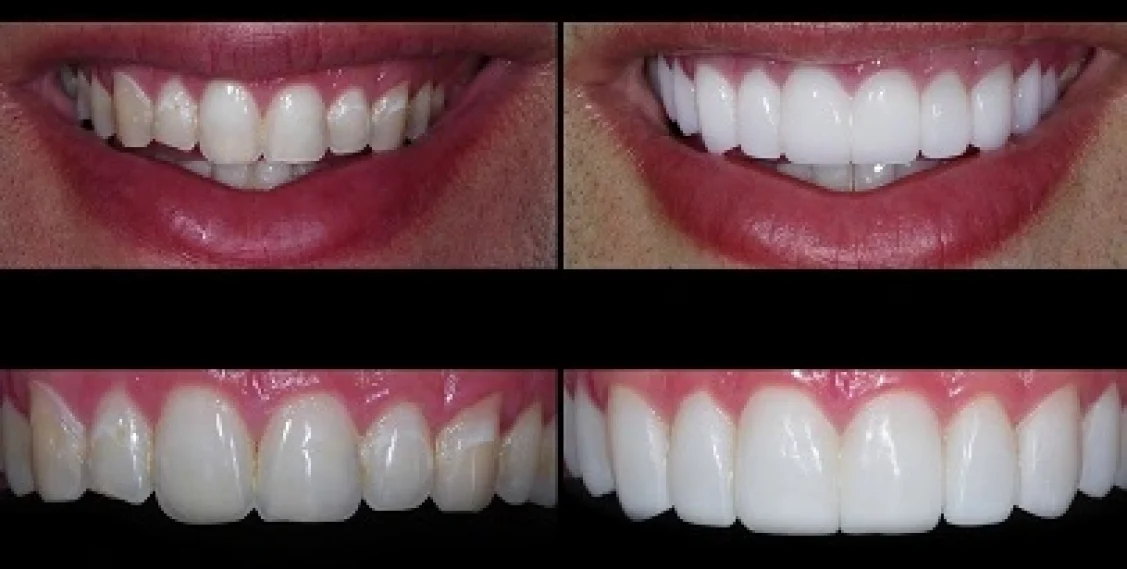
Premium, durable dental veneers are a popular cosmetic dentistry intervention in Australia. Their ability to improve tooth appearance and deliver natural-looking results while offering stain resistance, durability, and conservative treatments resonates deeply with many dental patients. Since these restorative materials effectively conceal various imperfections, including cracks, chips, and discolouration, wearers boost their confidence and restore captivating smiles over time.
Nowadays, patients can choose porcelain or composite resin veneers, which not only correct various dental imperfections but also ensure a radiant smile. To achieve these objectives, these custom-made shells latch onto the front surfaces of the teeth, creating a stunning, fresh appearance.
As a trusted provider of premium quality dental veneers in Annerley and surrounding neighbourhoods since 1994, we can help you make an informed decision to improve your long-term dental health.
This blog will delve deeper into the differences between composite and porcelain veneers, empowering you to take charge of your dental well-being and enjoy a high quality of life.
Composite Veneers Vs Porcelain Veneers: An Overview
Composite Resin Veneers
Dental manufacturers source composite resin veneers (direct veneers) from ceramic and acrylic resins. These shells usually require only a single dental appointment to be applied to the tooth’s front surface, making it a convenient, minimally invasive dental procedure.
Composite resin veneers mimic a real tooth’s natural appearance, concealing cracks, chips, discolouration, misaligned teeth, and other imperfections.
Porcelain Veneers
Porcelain veneers are thin pieces of porcelain moulded to fit onto the tooth’s front surface. These durable, natural-looking shells’ ability to resemble natural teeth makes them a cost-effective intervention for dental patients.
Your dentist will remove approximately 1 mm of tooth enamel from its surface, then he will take an impression of your oral cavity, form a mould, and send it to the dental laboratory for further processing. A dental technician will create your custom-made porcelain veneer, which usually takes one to two weeks, giving you a clear understanding of the procedure timeline.
Similar to their composite resin counterparts, porcelain veneers effectively conceal chipped, cracked, discoloured, misshapen, or decayed teeth. These prosthetic restorations can also correct small gaps, minor crowding, and biting-related tooth issues.
What Dental Issues Can Veneers Resolve?
Premium dental veneers can resolve the following issues and ensure optimal, long-term dental health:
- Irregularly-shaped, crooked teeth.
- Stained or discoloured teeth.
- Fractured teeth.
- Teeth with eroded enamel.
- Tooth gaps.
- Worn-down teeth from grinding or ageing.
Although veneers cover a part of your teeth, they are different from dental crowns, which are thicker and conceal teeth on the front, sides, and back. Dental crowns also require tooth grinding (adjusting or reshaping a tooth to ensure a proper fit) while dental veneers don’t.
Dental veneers are an innovative, practical alternative for patients with good oral health who want to change their tooth’s colour or shape. We recommend dental crowns only for teeth that have sustained considerable damage, such as a broken tooth or a root canal. Consulting a trusted local dental practitioner who can provide you with valuable insights and personalised guidance for your unique situation, helping you feel more confident in your decision.
Who Are Good Candidates for Dental Veneers?
Your dentist can consider you a good candidate for dental veneers if you have several of the following considerations:
- Optimal oral health: Good oral health is critical for considering dental veneers. You must not have tooth decay, gum disease, a root canal infection, or other serious dental issues. Otherwise, your practitioner must address them before he considers you for dental veneers.
- Adequate tooth enamel: Dentists require approximately 1 mm of tooth enamel for a dental veneer. Whether you prefer a composite resin or porcelain veneer, sufficient enamel allows the prosthetic to latch onto the tooth’s surface securely. Inadequate tooth enamel cannot make this scenario possible.
- Healthy dental habits: Patients who grind or clench their teeth may not be suitable for dental veneers. Unfortunately, these habits can cause the prosthetic to chip or crack over time. Depending on your dentist’s discretion, a night guard may allow you to wear dental veneers.
- Proper oral care: Although veneers conceal only the front part of the teeth, patients must still practise good oral hygiene, including regular brushing, flossing, and regular dental check-ups, to ensure the longevity and health of their veneers and natural teeth.
- Realistic goals: Dental veneers can restore a dazzling smile and conceal imperfections in teeth. However, they’re not suitable for more significant dental issues, such as underbites or overbites. Consulting a reputable local dentist can help you set realistic expectations and feel confident about your treatment options.
What Are The Advantages and Disadvantages of Dental Veneers?
Understanding the pros and cons of a composite veneer vs porcelain version helps patients determine which option is appropriate for their unique situation and ensures long-term peace of mind.
Advantages of Composite Resin Veneers
The advantages of composite resin veneers include the following:
- Affordable, cost-effective option.
- The application usually requires just one dental appointment.
- Easier to repair if damaged.
- Conservative tooth preparation.
Disadvantages of Composite Resin Veneers
The disadvantages of composite resin veneers include the following:
- Not as resilient or enduring as porcelain veneers.
- They can discolour over time.
- They may look more unnatural than porcelain veneers.
Advantages of Porcelain Veneers
The advantages of porcelain veneers include the following:
- Uses enduring, resilient materials.
- Doesn’t discolour over time.
- Transparent aesthetics effectively mimic natural teeth.
Disadvantages of Porcelain Veneers
- Usually pricier than composite resin veneers.
- Patients must fit and wear a temporary veneer while waiting for the permanent version, which requires at least two dental appointments.
- Damage often requires full replacements.
- The dentist must remove more tooth structure to enable correct placement.
Determining the Best Veneer Version to Restore A Radiant Smile
Choosing the correct dental veneer for your unique situation can be confusing. It’s important to note that there’s no one-size-fits-all approach since each dental patient is unique.
For this reason, consulting a highly experienced dentist is critical to the success of your procedure. The following factors can also help you make an informed decision and enjoy excellent, long-term dental health:
- Price: Weighing your budget and the prosthetic’s long-term value is critical to your decision. Porcelain veneers are usually pricier due to the specific expertise and premium dental equipment required.
Although composite resin veneers are generally cheaper, they may require frequent replacements, which can offset their upfront cost over time. For this reason, we recommend planning long-term budgets to ensure peace of mind.
- Convenience: Composite resin veneers are usually more comfortable than porcelain versions due to their less invasive nature. Although porcelain veneers can cause greater sensitivity due to the meticulous tooth preparation required, they are usually more comfortable over time than composite resin veneers.
- Care and maintenance: Both composite resin and porcelain veneers require consistent oral hygiene to endure. Brushing, flossing, avoiding hard foods, and regular dental appointments help ensure your oral prosthetic lasts a long time.
Hybrid Veneers Defined
As the term implies, hybrid veneers combine the features of both composite resin and porcelain veneers. These unique prosthetic restorations are ideal for patients who remain undecided between the two options.
Dental practitioners use cutting-edge techniques and equipment to design and manufacture hybrid veneers. These symmetrical prosthetics produce a unique camouflaging effect, allowing them to blend harmoniously with your teeth and restore a dazzling smile.
If you’re considering hybrid veneers, consult a trusted dentist who can weigh the long-term benefits, allowing you to make an informed decision and enjoy excellent dental health.
Conclusion
Deciding between composite vs porcelain veneers can be tricky, especially to the untrained eye. Although both options can protect your teeth, conceal imperfections, and boost your long-term confidence, considering personal needs, price, convenience, and proper care and maintenance is critical to your decision.
Weighing your options carefully and avoiding a rushed, haphazard decision usually produces the best long-term results. Consulting a highly experienced and reputable dental professional ensures peace of mind and comfort over time.
Since 1994, Annerley Dental has provided premium, cost-effective dental veneers to patients residing in Annerley, QLD, and surrounding neighbourhoods. Please contact us today to schedule an appointment and discover high-quality dental veneers that exceed expectations.