





Dental implants offer Australians a long-term, attractive solution for missing teeth, filling tooth gaps, restoring a captivating smile, and boosting self-confidence.
However, dental implant surgery is only half the battle won. As a trusted provider of long lasting dental implants in Annerley, QLD, and nearby areas, we strongly recommend making long-term dental health a priority to maximise the benefits of dental implants.
This blog will delve deeper into essential care tips for achieving long-term dental implant success, including oral hygiene tips, dietary and lifestyle choices, and debunking common myths, empowering you to take charge of your dental health and improve your overall quality of life.
What Is A Dental Implant?
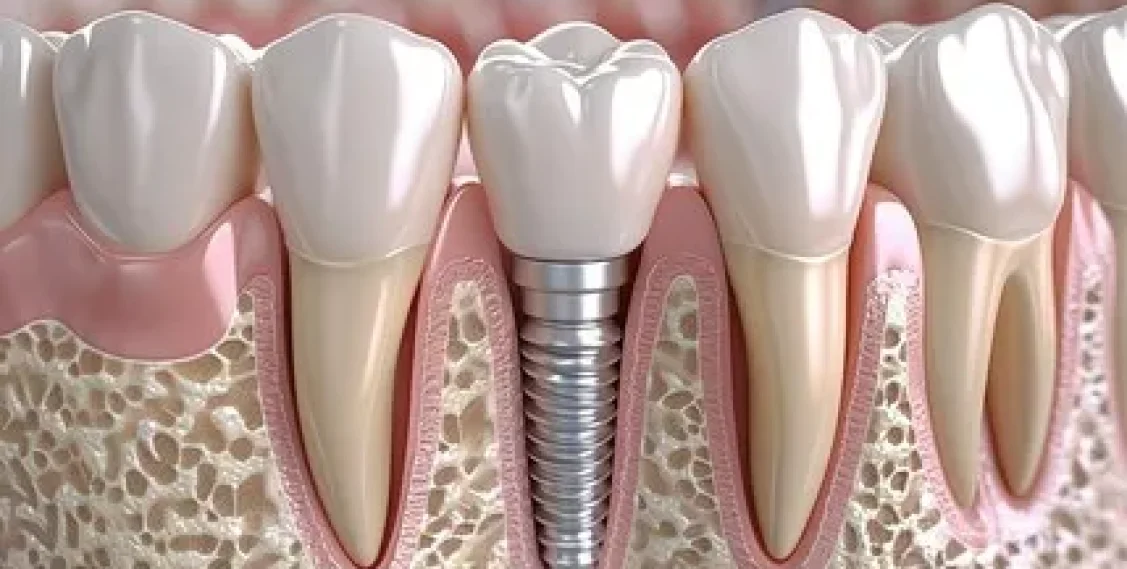
Dental implant surgery replaces tooth roots with metal posts resembling screws and missing or damaged teeth with artificial ones. Dentists often recommend dental implants when dentures or bridgework feel uncomfortable or when there are insufficient natural tooth roots to support either option.
Dental implants may require several procedures. Their benefits include:
- Feel and look like natural teeth: Dental implants mesh seamlessly with existing natural teeth, restoring a dazzling smile.
- Long-term solution: Practising consistent oral hygiene and scheduling regular dental check-ups allows dental implants to last for decades.
- Improve jawbone function: Dental implants stimulate the jawbone and prevent bone loss that usually happens after tooth loss, delivering long-term peace of mind.
- Preserve surrounding teeth: Unlike dental bridges, dental implants don’t require altering adjacent teeth, preserving their structural integrity.
- Provide comfort and improve convenience: Dental implants remain stable and firmly affixed for years, ensuring a comfortable fit and boosting self-confidence.
Dental implants may pose several minor, treatable health risks, including infection, adjacent structure damage, nerve damage, and sinus issues. A highly experienced and skilled dental practitioner often ensures a smooth, hassle-free procedure for your peace of mind.
Daily Oral Health Practices
Although dental implants protect from cavities, they can still develop peri-implantitis, an inflammatory condition affecting adjacent gum tissues and bones. If left untreated, it can lead to tooth loss or implant failure.
You can prevent this scenario and enjoy the long-term benefits of dental implants by following these daily oral health tips:
- Soft brushing: A soft-bristled toothbrush protects the delicate gum tissues surrounding the dental implant. Brushing your teeth after every meal helps eliminate plaque buildup and inflammatory bacteria.
- Gentle toothpaste: A non-abrasive toothpaste preserves your dental implant, removes harmful bacteria, protects the gums, and prevents enamel and tissue damage.
- Daily flossing: Dental flossing is an essential part of dental implant aftercare, eliminating plaque that a toothbrush cannot, protecting gums, and preventing bone loss.
- Antibacterial mouthwash: Consider using alcohol-free antibacterial mouthwash that protects gums from infection and freshens your breath.
Regular Dental Check-Ups and Follow-Up Consultations
Professional advice and guidance are imperative for long-term dental implant success. Your practitioner can identify any issues, prevent them from escalating, and provide long-term relief and comfort.
- Regular check-ups: We recommend scheduling regular check-ups with your dentist every six months. Your dental professional will conduct oral prophylaxis (cleaning), apply fluoride treatment whenever necessary, and inspect the dental implant site for potential issues.
- X-rays and diagnostics: Regular X-rays show how your oral bone structure has changed since dental implant surgery, preventing bone loss and peri-implantitis.
- Personalised guidance: Your dentist can offer personalised guidance and tailored solutions for any dental implant or oral health issues, delivering long-term peace of mind.
Nutritional and Lifestyle Tips
Nutritional and lifestyle considerations are critical to long-term dental implant success. Your daily food choices can either preserve or weaken your dental implant, so choose foods that help you achieve the former goal.
Consume dairy products and calcium-rich foods, such as kale, collard greens, turnip and mustard greens, bok choy, and broccoli. On the other hand, vitamin C food sources, such as oranges and berries, improve gum health and prevent inflammation.
Drinking enough water every day also moistens the gums and eliminates food bits and bacteria that can harm your teeth. For this reason, make water your primary drink instead of sugary beverages, which can cause inflammation.
Avoid hard, crunchy foods, such as nuts, seeds, and caramel, which increase pressure, shifting, and irritation on the implant site, possibly compromising healing. Drastically reducing sugary foods and desserts minimises the risk of bacterial growth, swelling, and complications.
If you’re craving something sweet, eat fruits instead. Soft fruits, such as bananas, berries, and rockmelons, create less pressure on the dental implant site. If you prefer hard fruits, such as apples or pears, cut them into smaller pieces to lower the pressure and preserve the implant.
As a trusted provider of durable dental veneers for over three decades, we recommend avoiding smoking and drinking, which may decrease circulation and impair healing. Worse, these two lifestyle choices also increase the risks of infection and dental implant failure. Quitting smoking and drinking is not only good for your teeth and gums, but also your long-term health.
Guidelines for Dental Implant Aftercare
The long-term success of your dental implant depends on consistent aftercare. These tips help deliver a high return on investment:
- Follow your practitioner’s medical prescriptions and post-operative care reminders.
- Consume soft foods, such as oatmeal, tofu, and porridge, for several days following your dental implant to minimise pressure and preserve your new tooth root.
- Apply ice or a cold compress on the affected area for 20 minutes at two-hour intervals for the first 48 hours to minimise swelling.
- Prioritise consistent oral hygiene: brush gently, use a gentle toothpaste formula, and a non-alcoholic oral rinse.
Dental Implant Precautions
A dental implant entails several post-procedural precautions, including:
- It’s important to note that full healing takes 3 to 6 months. We recommend chewing on the side of the implant after this time to minimise pressure and ensure optimal results.
- Avoid smoking and drinking alcohol, as they can impair recovery and significantly increase the risk of dental implant failure.
- Do not rinse your mouth aggressively, as this can also disrupt healing.
- Do not skip your regular biannual dental visits. These consultations prevent issues from escalating and ensure optimal dental health.
Dental Implant Myths Debunked
Several dental implant myths can be misleading, including:
- Dental implants don’t require special care: On the contrary, dental implants are similar to natural teeth—they need regular brushing, flossing, and check-ups. Otherwise, they may succumb to infection or dental implant failure.
- They don’t lead to gingivitis: Failure to practise regular oral hygiene and schedule check-ups can lead to plaque buildup and peri-implantitis.
- Random toothpaste and mouth rinse are okay: Dental experts recommend non-abrasive toothpaste and non-alcoholic mouth rinse to protect the dental implant site and surrounding gum tissue.
- Flossing is a waste of time: Dental flossing is essential to long-term dental implant success. Otherwise, plaque buildup and inflammation can compromise the procedure over time.
- Dental implants are forever: Although dental implants can last decades, they don’t last forever, especially with poor hygiene and lifestyle choices.
Conclusion
Whether finished with or contemplating a dental implant procedure, prioritising consistent oral hygiene, making the right lifestyle choices, and scheduling regular dental appointments ensures your long-term success.
Gentle brushing, consistent flossing, using non-abrasive toothpaste and non-alcoholic mouthwash, eating soft foods, and avoiding smoking and alcohol preserve your dental implant long-term, restore a dazzling smile, and ensure optimal oral health. Following a reputable dentist’s post-operative care tips always leads to great, long-term results.
Take that first step to strong, healthy teeth and gums with Annerley Dental. As trusted providers of dental implants and professional teeth whitening, we have empowered numerous patients in Annerley, QLD, and nearby areas with cost-effective dental interventions.
Book an appointment today to receive tailored dental solutions that deliver long-term results.